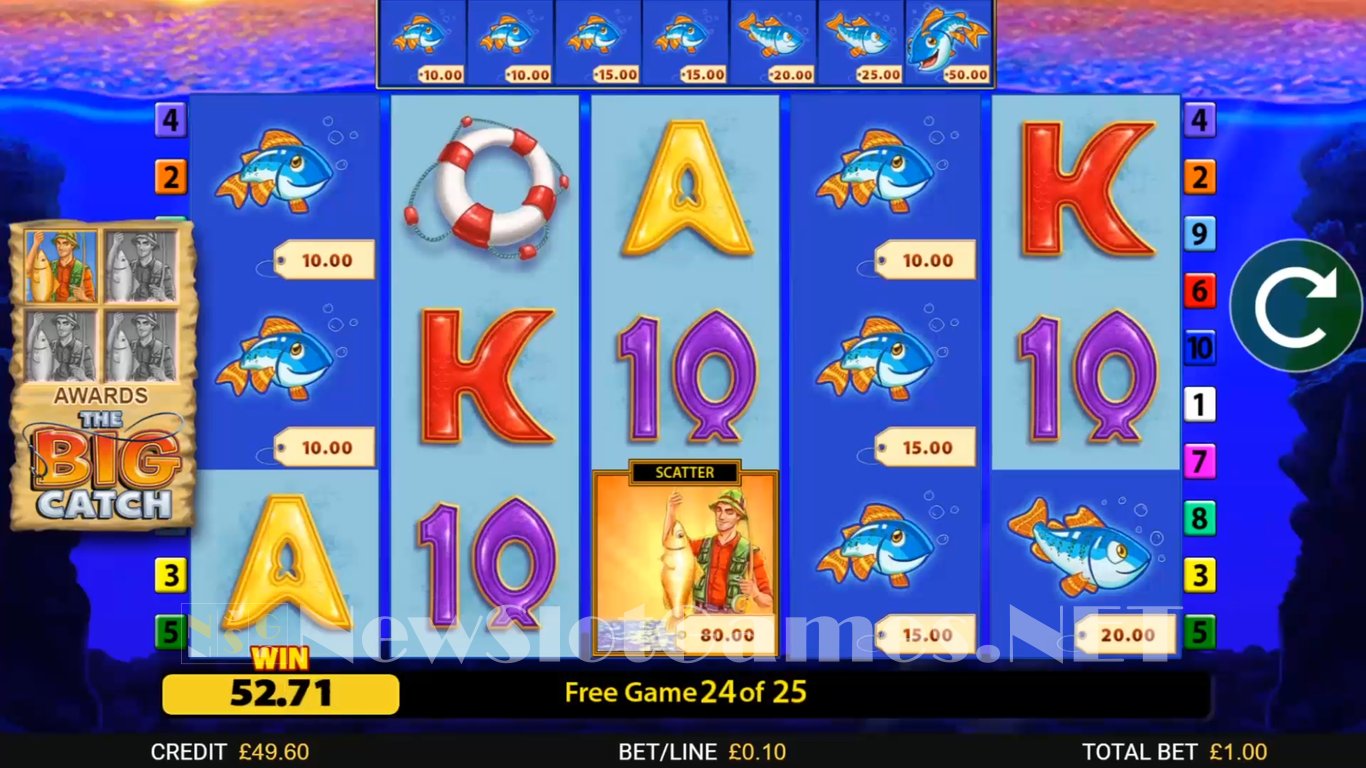
If you have found this, you or a friend is most likely in a difficult situation, feeling the pull of a title like Fishin Frenzy Slot while also understanding you require assistance. That space between admitting there’s a problem and finding support can feel isolating. It grows even tougher when you run into waitlists. Seeking this guidance is a brave and important step. I’ll walk you through how addiction support works in Canada, not as some expert from afar, but as someone who understands how confusing the system can be. We’ll look directly at the reality of counseling wait times, talk about things you can do today, and describe paths to lasting recovery. We’ll keep the practical aspects of getting help in Canada in clear view. My aim is to give you knowledge and real steps you can implement, so that being on a waitlist feels less like being stuck and more like a period of proactive readiness.
Immediate Support Approaches While You Wait
Your healing doesn’t have to pause just because you’re on a waitlist for formal counseling. This is the time to build your own toolkit with strategies you can use immediately. Begin with self-exclusion. In Canada, you can self-exclude from specific online casinos like the one hosting Fishin Frenzy Slot. You can also use provincial programs like Ontario’s PlaySmart or BC’s Responsible Gambling Program. These limit your access to licensed sites and physical casinos, creating a necessary barrier. Next, try the 24/7 helplines. They aren’t just for emergencies. You can call to work through a craving or just to get a friendly voice that understands.
- Call a National or Provincial Helpline: Dial the Canada-wide Problem Gambling Helpline at 1-888-230-3505. It’s confidential and they can give you referrals. Provincial lines do the same thing but with local knowledge.
- Implement Financial Controls: Hand over control of your finances to someone you trust. Utilize prepaid cards with strict limits, or establish online banking blocks to stop transactions to gambling sites.
- Attend a Peer Support Group: Attend a Gamblers Anonymous meeting, online or in person. Hearing other stories and sharing your own brings real relief and builds accountability.
- Use Mindfulness and Distraction: Prepare a “distraction list” ready for when an urge hits. Take a walk, call a friend, focus on a hobby. Simple mindfulness can help you identify the craving without having to act on it.
Actions like these help you regain a sense of control. They prove to you that you can handle this waiting period.
Creating Your Personal Support Network
Professional help is a key part of recovery, but your personal support network is the cornerstone that keeps everything steady. While waiting for counseling, concentrate on building this network. This isn’t about telling everyone your business. It requires carefully selecting a few trusted people—a partner, a family member, a close friend—and opening up to them. Be explicit about how they can help. Maybe you need an accountability partner for daily check-ins. Maybe you need someone to hold onto some extra cash for you. Or maybe you just need a person to reach when you feel alone. At the same time, reflect on stepping back from social circles or online groups where gambling is a regular topic. Search for recovery-focused communities instead, like Gamblers Anonymous or online recovery forums. Building this network diminishes shame, creates practical safeguards, and reminds you that you aren’t alone. It turns the idea of support into something tangible you can touch every day.
Extended Recovery Paths After Treatment
Formal counseling is a strong foundation, but sustained recovery is a process that continues far past therapy finishes. Post treatment, your aim is to incorporate the strategies you acquired into your routine life. This often entails some kind of ongoing maintenance. You might go to periodic “booster” therapy meetings or keep active in a self-help group like GA for many years. Finding new hobbies and social activities that offer you purpose and relationships is critical. They occupy the void that gambling used to occupy. Upholding financial discipline, perhaps with some permanent structures in place, stays important. You’ll also improve in spotting your individual triggers—anxiety, loneliness, certain locations—and applying better strategies to cope. Remember, relapse might be an aspect of the process. It never mean you faltered. It’s an indication to reach back out to your system of support and tweak your plan. Enduring recovery is about building a resilient, fulfilling life where gambling doesn’t have a dominant or harmful role anymore.
Understanding Problem Gambling and Online Slots
Let us start, let’s be honest about what this is. Problem gambling isn’t a simple lack of willpower. It’s a established behavioral addiction where the drive to gamble becomes compulsive and damaging, even as it causes harm. Games like Fishin Frenzy Slot are crafted to pull you in. They use bold colors, simple gameplay, and the possibility for fast, repeated spins. Those sporadic wins mixed in with many losses trigger a dopamine hit in your brain, which reinforces the behavior. This can begin a cycle where you’re not playing for fun anymore. You might be pursuing losses, trying to flee stress, or hunting for that short rush of excitement. This is a significant issue in Canada, affecting people and families from all walks of life. Recognizing the signs in yourself is key. Do you dwell about gambling all the time? Do you need to bet more money to feel the same thrill? Have you misled about your gambling or felt irritable when you tried to stop? Observing these patterns is the vital first step that directs you to seek for counseling and support.
The Truth About Counseling Wait Times in Canada
A major challenge when seeking help is often the waiting list. Let’s be honest. In many parts of Canada, wait times for publicly funded addiction counseling are long. It could take weeks or even months. This occurs due to high demand, scarce specialized resources, and regional differences in healthcare funding. It feels bitterly unfair. You finally work up the courage to reach out, and then you’re told to wait. This delay carries risks. Emotions of anger or despair might raise relapse risk. However, understanding the reasons behind these delays is important. It doesn’t mean your urgent need is being ignored. It’s a system-wide problem. The key is to view this period as active rather than idle. Instead, consider it a chance to engage with other resources, which I’ll explain next. Your recovery begins when you decide to change, not when you first meet a counselor.
Why do waitlists exist
Waitlists primarily reflect a gap between available resources and need. More people want specialized, often subsidized, counseling than there are clinicians trained in gambling addiction. Provincial healthcare systems must rank cases they consider urgent, and the threshold for a gambling “crisis” is often elevated. Moreover, resources for behavioral addictions like gambling have typically been more limited than for substance addictions, though that trend is now reversing. Your location greatly matters. Cities tend to have more options than rural towns. Also, the initial evaluation process is time-consuming. Providers aim to pair you with the therapist most suited to your unique circumstances. This matching process may be aggravating, yet it is intended to ensure you receive the most effective treatment eventually.
The purpose of Internet-based and Telemedicine Support
Virtual and remote therapy has transformed the landscape for substance abuse help in Canada. This is especially true for people in isolated locations or dealing with long waitlists. These options let you access a qualified counselor using encrypted video, phone, or text. Private platforms like BetterHelp, Talkspace, or Maple may have substance abuse experts, but you pay out of pocket. Of greater significance, many provincial health services now deliver virtual care. Ontario’s Structured Psychotherapy Program, for example, provides virtual cognitive-behavioral therapy for different conditions, which can encompass problem gambling. The strengths are evident. You save travel time, you can typically book appointments more conveniently, and you may find a specialist you couldn’t reach locally. Just ensure any program you select follows Canadian privacy laws (PIPEDA) and that the clinician is certified to operate in your province. Telehealth can be a great bridge or even a long-term solution, delivering proven therapy right in your house.
No-cost and Low-Cost Support Services Offered Throughout the country
Canada has a network of free and low-cost services for problem gambling. Using them is critical while you wait for one-on-one counseling. A good starting point is the Canadian Centre on Substance Use and Addiction (CCSA) website. It offers resources and directories to provincial services. Each province and territory has a responsible gambling organization. Think of ConnexOntario, Alberta’s Addiction Helpline, or BC’s Responsible & Problem Gambling Program. These agencies provide free, confidential information and referrals. Some even provide short tele-counseling sessions. Many provide free online tools like moderated forums, educational courses, and self-assessment tests. Don’t overlook community health centers either. They often have addictions counselors on staff or can point you to someone, sometimes with shorter waiting times than specialized clinics. Also, check your workplace. Some employee assistance programs offer counseling sessions for gambling addiction. Checking all these resources can often connect you to professional help faster than waiting on one single referral.
Frequently Asked Questions
Tell me the first thing I need to do if I believe I have a gambling problem with titles such as Fishin Frenzy Slot?
The first thing to do is to admit the problem to yourself, without blaming yourself. Right away set up a restriction. Opt out of that specific casino site and from your local online casino platform. Next, call a helpline. The nationwide Problem Gambling Helpline at 1-888-230-3505 is an excellent option. The counselor will offer confidential support and can guide you to local resources. They aid you in clarifying the initial uncertainty and create a strategy.
Are there queues for gambling treatment quicker for direct payment choices in Canada?
Usually, yes. Independent counselors or therapy clinics that you pay directly typically have much shorter waits. You could secure a session within a couple weeks, as opposed to months for government-subsidized services. Cost is a hurdle, but many practitioners offer income-based pricing. Also, check your work health benefits. Your employee assistance program or extended health plan may pay for visits to a licensed social worker or psychologist specializing in addiction.
Can I get help for a relative’s problem gambling in Canada?
Yes, you can https://fishinfrenzycasino.ca/. Support services like Gam-Anon are tailored for relatives impacted by a loved one’s gambling. Provincial helplines also provide advice on communicating with your family member, set healthy boundaries, and preserve your emotional health. You can find out about intervention methods and receive referrals for family counseling. This is important, as gambling addiction impacts the entire family.
What’s the difference between Gamblers Anonymous (GA) and professional counseling?
GA is a free, peer-led group following a 12-step approach. It delivers fellowship, shared experiences, and continuous peer support. Professional counseling involves one-on-one or group sessions with a trained clinician. They utilize evidence-based methods, like cognitive-behavioral therapy, to work on the underlying thoughts, behaviors, and triggers. They work well in combination. A lot of people attend GA for long-term community and friendship, while using counseling for formal clinical interventions.
What is the effectiveness of online self-exclusion tools for sites like Fishin Frenzy Slot?
Such tools serve as a critical and helpful first step, but they don’t represent a magic fix. When you self-exclude through a proper provincial program, licensed operators like the one running Fishin Frenzy Slot must legally block your account and stop sending you ads. But if someone is determined, they might try to find unregulated offshore sites. So self-exclusion works best when you combine it with other financial controls and personal accountability measures. It should be one part of a bigger plan.
If I relapse after starting counseling, does that indicate the treatment failed?
No, a relapse does not mean failure. Changing behavior is almost never a straight line. In addiction treatment, a relapse is often seen as a chance to learn. It can show you triggers you missed or needs you haven’t addressed. What matters is what you do next. Contact your counselor or your support network right away. Look at what led to the relapse without shame, and then adjust your strategies. Sticking with it and being kind to yourself after a setback are key parts of making recovery last.
Economic and Regulatory Protections to Put in Place Right Now
The most tangible damage from problem gambling is typically financial. That’s why putting legal and financial safeguards in place is a step you cannot overlook. Begin by getting a copy of your credit report so you are aware of exactly what you owe. Talk to your bank and credit card companies. You are able to ask them to limit cash advances, set lower daily withdrawal limits, or block payments to known gambling merchant codes. Consider naming a trusted relative as a financial power of attorney, giving them control over your accounts for a set time. On the legal side, you can use self-exclusion contracts with gambling providers in Canada. While using them to recover losses in court is complicated, they function as a critical behavioral block. If you carry shared debts or assets, engaging in an honest talk with the people involved is tough but necessary. It can prevent bigger legal problems later. Talking to a non-profit credit counseling service, like Credit Canada, can help you create a debt management plan. These steps are hard, but they are empowering. They protect your future and create the stable ground your recovery needs to grow.