![Pirots Demo – Play Slot Game [100% Free]](https://static.templodeslots.es/pict/744707/pirots-slot-bird-collecting-symbols.png?imageDataId=800595×tamp=1710976336000)
Throughout years of playing online slots, I’ve found that one tool always distinguishes casual dabblers from serious players: visualization. Games like Pirots 5 Slot run on Random Number Generators, of course. But the mental discipline of visualization affects how you handle the game, your focus, and the way you regulate your feelings. I’m not implying you can think your way to a jackpot. I’m discussing training your mind to spot patterns, control your bankroll wisely, and simulate successful play in your head. This guide details nine specific visualization methods, refined by players who regularly play Pirots 5 Slot. You’ll discover how to build a mental structure that improves discipline, sharpens observation, and promotes more thoughtful and fun gameplay.
Grasping the Power of Mental Imagination in Slot Play
To begin, let’s define mental imagery for slots. It’s the deliberate exercise of forming cognitive pictures and scenarios about your gameplay. For Pirots 5 Slot, that might mean visualizing the reel grid, the audio of a win, or the act of establishing a loss limit. The brain science is compelling. When you picture an action vividly, you stimulate many of the same neural circuits utilized during the real thing. This mental rehearsal builds comfort and reduces anxiety. I employ it to prepare a “blueprint” for my session before I log in. I envision myself turning the reels calmly, acknowledging small wins without fuss, and stopping when I scheduled to stop. This pre-game programming trains my brain for disciplined play. That shift converts gameplay from a knee-jerk reaction into something mindful and proactive.
Incorporating All Senses in Your Routine
Strong visualization engages more than vision; it’s a complete sensory experience. When I get ready for a session, I include all five senses in my mental imagery. For Pirots 5 Slot, I imagine the precise click of the spin button, the characteristic musical tones, the visual flash of a winning line. I might even summon the tactile sense of my seat or the weight of my gadget. This detailed, multi-sensory mental template builds a more powerful, more immersive memory pattern. When I go into the actual game, the real sensory feedback feels recognizable and less daunting. This enhanced training makes my visualization more effective for building calm and attention. It roots me in the present instance of the experience, diminishing the risk I’ll fall into a en.wikipedia.org detached, “zoned-out” state where autoplay runs on autopilot and mindfulness fades.

Feelings Management Through Directed Visualization
Reel games can take you on an emotional ride. My key tool for keeping calm is guided imagery integrated directly into gameplay. When frustration arises after a run of dead spins on Pirots 5 Slot, I address it. I stop momentarily and imagine that annoyance as a physical object—a hot stone, for instance. I see myself placing it in a cool stream. If I experience over-excited after a win, I imagine storing that energy in a vault and locking the door. These rapid, internal visual metaphors create space between the feeling and my next move. They force a pause that prevents tilt-driven choices. This practice develops emotional durability, keeping the session fun and my decisions grounded in the rational part of my mind.
Real-time Visualization for Trend Recognition
Once the session begins, my visualization transitions from preparation to active observation. I understand every spin on Pirots 5 Slot is independent. But human brains are wired to seek patterns. I use visualization to consciously monitor the game’s flow. For example, I might mentally note when high-value symbols cluster close together, even if they don’t complete a payline. I visualize the timing between bonus triggers over a block of spins. The goal isn’t prediction. It’s about remaining engaged and alert. I build a mental chart of the session’s volatility, picturing the highs and lows. This practice keeps me analytically present, converting passive viewing into active tracking. It helps me get a feel for the game’s rhythm, which can guide my instinct on when to make small bet adjustments (always within my pre-set rules) or when to just ease up and watch.
Pre-Session Visualization: Setting Intentions
This method is the bedrock of my practice https://pirots5casino.uk/. I never launch a game without it. I spend a few quiet minutes, shut my lids, and take deep breaths to get grounded. Then I clearly picture accessing the Pirots 5 Slot lobby. I picture myself setting my bet size, not randomly, but as a clear choice based on my bankroll for the day. I silently state my session goals. These are never about winning a set figure. They’re more like “explore the bonus mechanics” or “engage for twenty minutes to decompress.” I picture pressing the spin button with a feeling of intent, not nervousness. This ritual serves two purposes. It locks in my intentions, which assists in controlling impulsive urges. It also generates a calm, concentrated mood that I take into the actual game, decreasing my inclination to chase losses or get carried away.
Visualizing the Game Environment
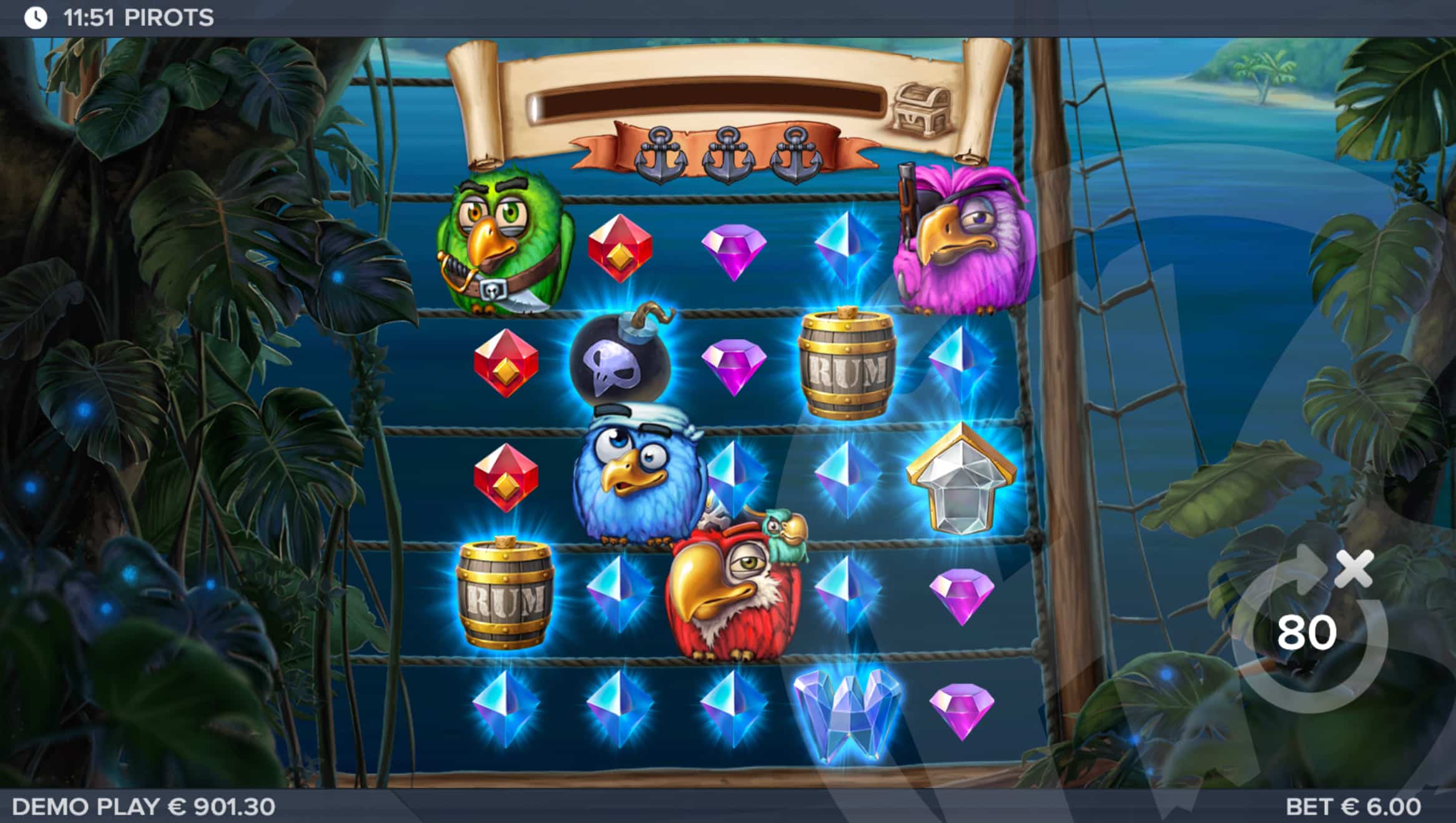
A essential component of my pre-session routine is forming the game’s environment in my head. For Pirots 5 Slot, I imagine the layout: the five reels, the various symbols, the position of the spin and autoplay buttons are placed. I recall the color scheme and the little animations. This isn’t pointless daydreaming. It’s a intellectual priming. By rendering my brain acquainted with the interface ahead of time, I decrease the mental effort necessary once I’m live. That releases my attention to observe patterns and truly appreciate the game, instead of simply locating where to click. The move into real play feels seamless, placing me in a state of relaxed readiness. That’s the best headspace for reaching clear decisions on a volatile slot.
Picturing Budget and Loss Limits
Here, things get tangible. I envision my session bankroll as a tangible pile of chips or a specific number on screen. In my mind’s eye, I track this amount fluctuate as I make bets. Most importantly, I picture my stopping point. I picture myself reaching my loss limit, feeling determined rather than disheartened, and exiting the game window without fuss. I even imagine what comes next: making a coffee, reading a news article. This mental film of responsible quitting is a transformative idea. It presents stopping as a standard aspect of the plan, not a private setback. When the genuine instant arrives, my brain recognizes it as the scene I prepared, which makes executing the plan much simpler. This method has pulled me back from the edge of more “one additional spin” decisions than I can count.
Imagining the “Big Win” Situation Without Attachment
This technique is delicate but essential. I grant myself the space to envision hitting a major bonus or jackpot on Pirots 5 Slot in complete specificity—the spinning reels, the winning music, the rising credit amount. Here’s the key part: I do this while deliberately disconnecting from the outcome. I notice the thrilling thought arise, then allow it to float away like fleeting weather. I engage in this to eliminate the strong emotional weight that accompanies the *idea* of a huge win. By repeatedly exploring this scenario in my mind without allowing it to take over my feelings, I strip it of its compulsive force. When a solid win truly occurs, I’m more equipped to manage it calmly. This avoids “big win fever,” where players often gamble their gains back right away, because the feeling feels less like a jarring surprise and more like a positive but controlled event.
Following the Session Analysis Through Cognitive Review
My session doesn’t conclude when I close the game. I take a minute on a post-session visualization review. I psychologically recall key moments: Did I stick with my planned bet amounts? What was my emotional response during a losing sequence? Did I respect my stop threshold? I imagine these instances without self-criticism, just reviewing my own behaviors as if examining game footage. This mental check reinforces good habits and identifies soft areas for next round. Maybe I see I began too fast; next round, I’ll picture taking a slower, deeper gasp first. This method makes sure every game instructs me an insight, win or loss. It strengthens my mental framework and establishes a continuous cycle of preparing, executing, and honing.
Building a Sustained Visualization Habit
Visualization is a technique. Its biggest rewards come with consistent practice. I’ve integrated it into my daily life, not just my gaming time. This reinforces the neural “muscle” so it works smoothly when I need it. For a few minutes each day, I do general visualization exercises—imagining a walk in the woods in detail, for example. This hones my specific Pirots 5 Slot visualizations, making them quicker and more automatic. I also keep a concise mental log, recalling one controlled action from https://www.annualreports.com/Company/penn-entertainment-inc my last session. Over weeks and months, this builds a solid mental architecture for responsible play. The routine becomes a ceremony that tells my brain it’s time to enter a concentrated, disciplined mode. Consistency turns these techniques from conscious effort into intuition, embedding a model of controlled, intentional play deep within my approach to any slot.
Adjusting Methods for Distinct Game Mechanics
My last piece of advice is to adapt your mindset for certain game situations. Before activating a bonus round in Pirots 5 Slot, I’ll perform a mental rehearsal: I envision the bonus screen loading, I imagine myself watching the free spins or bonus game unfold without heavy expectations, and I prepare mentally for any interactive choices it requires. This stops the rushed, panicked decisions that thrill can cause. Similarly, if I intend to use autoplay, I picture configuring the parameters with attention and then changing my role to that of a observer, not a controller. By tailoring my mental rehearsal to these situations, I ensure my disciplined mindset conforms to every part of the game. It enables me to appreciate the exciting elements completely while preserving the consistent amount of deliberate command I employ during the base game.